






Alternative to Angioplasty
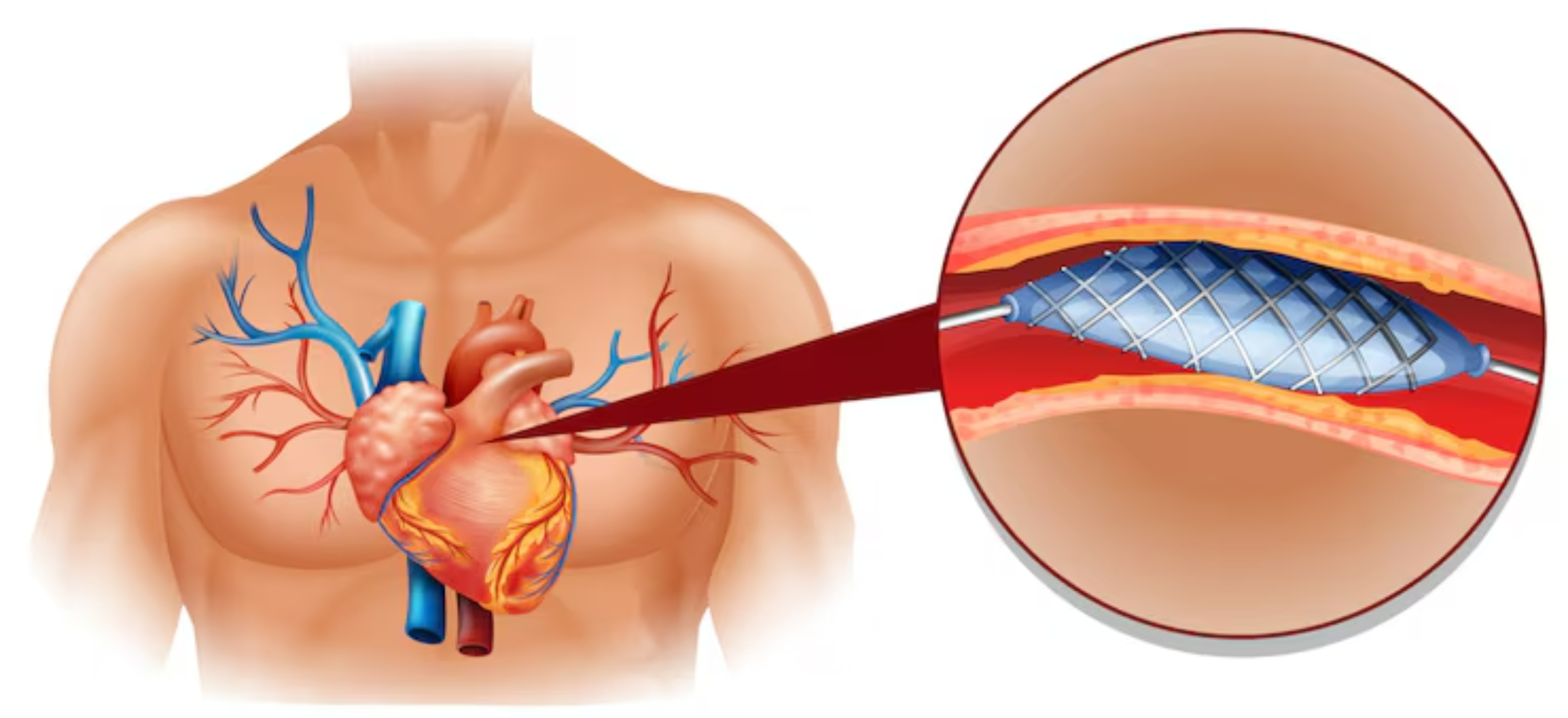
Angioplasty is a minimally invasive procedure that opens arteries (large blood vessels) to let blood flow more easily. It most commonly treats atherosclerosis (a collection of plaque made of fat and cholesterol) in your arteries.
Angioplasty involves a tiny medical balloon that pushes plaque through in spots that are too narrow or blocked.
Angioplasties are generally safe procedures. They’re less invasive than other heart and vascular procedures, like bypass surgery.
Your cardiovascular health is very important to your overall health. Angioplasties are often necessary to try to prevent serious complications of atherosclerosis, like heart attack and stroke.
Angioplasty has helped millions, but it is still an invasive procedure. Not every blockage behaves the same, and not every patient is comfortable with the idea of stents, catheters, contrast dye, or repeat procedures.
What many patients don’t know is that angioplasty is not the only path forward—especially in stable heart disease.
Let’s talk about a non-surgical, science-backed alternative that is gaining global acceptance: EECP Treatment.
Why Patients Search for an Alternative to Angioplasty
Angioplasty is effective, but patients often look for alternatives because of:
- Fear of invasive procedures
- Risk of restenosis (re-blockage)
- Need for multiple or repeat stents
- Not being ideal candidates due to kidney issues, age, or diabetes
This is where EECP therapy becomes an important option to consider.
What Is EECP Treatment?
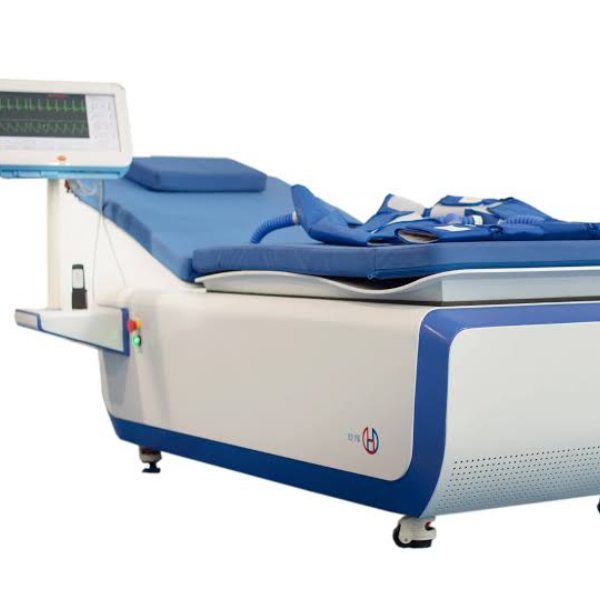
EECP (Enhanced External Counterpulsation) Treatment is a non-surgical, non-invasive therapy designed to improve blood flow to the heart naturally.
The treatment is done daily for one hour for 35-40 days. Patient doesn’t need to be admitted for the eecp therapy and can resume his daily work after taking the eecp treatment
How EECP Therapy Helps Without a Stent
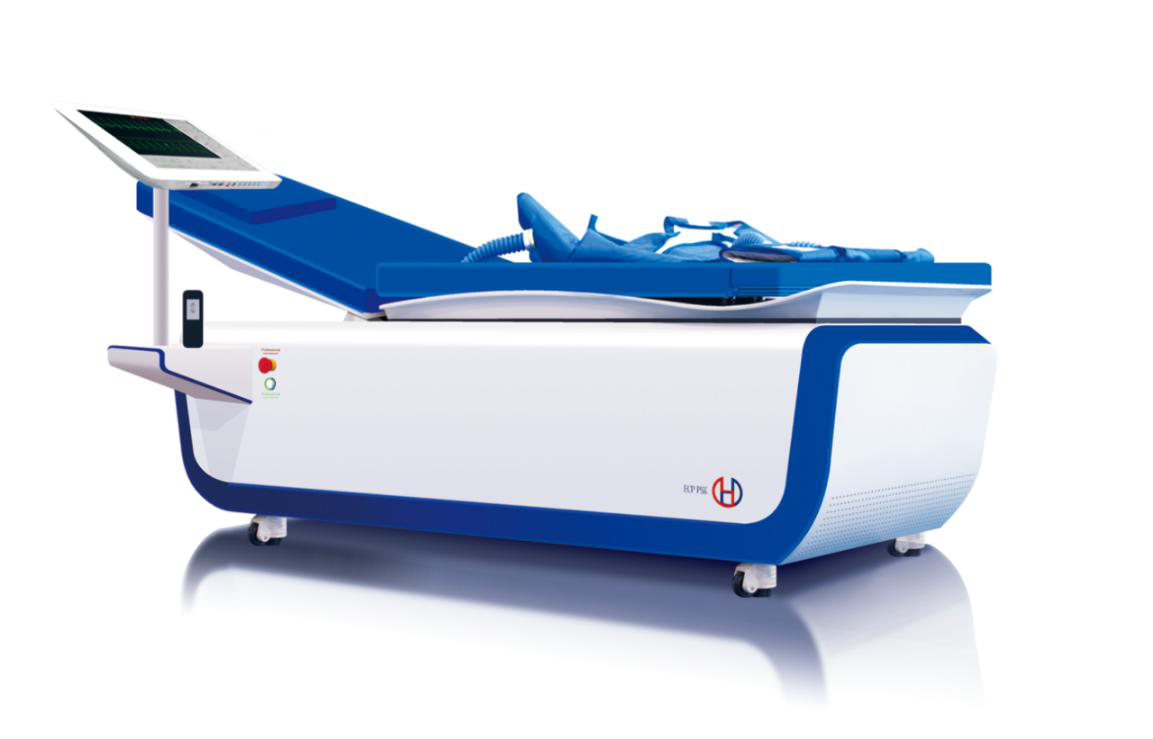
During EECP therapy, inflatable cuffs are placed on the legs and thighs. These cuffs inflate and deflate in sync with your heartbeat.
This helps to:
- Increase blood flow to the heart muscle
- Improve oxygen delivery
- Reduce strain on the heart
EECP Treatment vs Angioplasty
| Aspect | EECP Treatment | Angioplasty |
| Nature | Non-surgical | Invasive |
| Stent required | No | Yes |
| Anaesthesia | Not needed | Required |
| Hospital stay | None | Usually needed |
| Risk of re-blockage | Very low | Possible |
| Recovery | No downtime | Recovery period needed |
This is why many cardiologists suggest EECP treatment as an alternative to angioplasty in selected patients.
Who Is a Good Candidate for EECP Therapy?
EECP treatment is especially helpful for patients who:
- Have mild to moderate coronary artery disease
- Have been advised angioplasty but want a second opinion
- Have multiple small blockages
- Continue to have chest pain after angioplasty
- Are not fit for invasive procedures
Can EECP Replace Angioplasty?
Here’s the honest truth.
EECP does not replace emergency angioplasty in heart attacks.
However, in stable heart disease, EECP therapy can:
- Reduce angina symptoms
- Improve exercise capacity
- Delay or avoid angioplasty
- Improve quality of life
That’s why EECP therapy is increasingly recognised as a powerful alternative to angioplasty, not a competitor but a complementary solution.
EECP Treatment in Mira Road – A Safe, Guided Approach
If you’re exploring EECP treatment in Mira Road, choose a centre that:
- Evaluates your heart condition thoroughly
- Coordinates with your cardiologist
- Offers ethical, evidence-based guidance
At Meditech EECP, we focus on helping patients make informed decisions, not rushed ones.
What Patients Notice After EECP Therapy
Many patients report:
- Less chest tightness
- Improved stamina
- Better walking endurance
- Reduced dependency on pain-relief medicines
- Greater confidence in daily activities
All without undergoing angioplasty.
Not Every Blockage Needs a Stent
Heart care is not one-size-fits-all.
Before deciding on angioplasty, it’s reasonable—and responsible—to ask:
- Are there non-surgical options?
- Is EECP therapy suitable for me?
- Can my symptoms improve without a stent?