





EECP Therapy for Stroke Recovery | EECP in Mira road
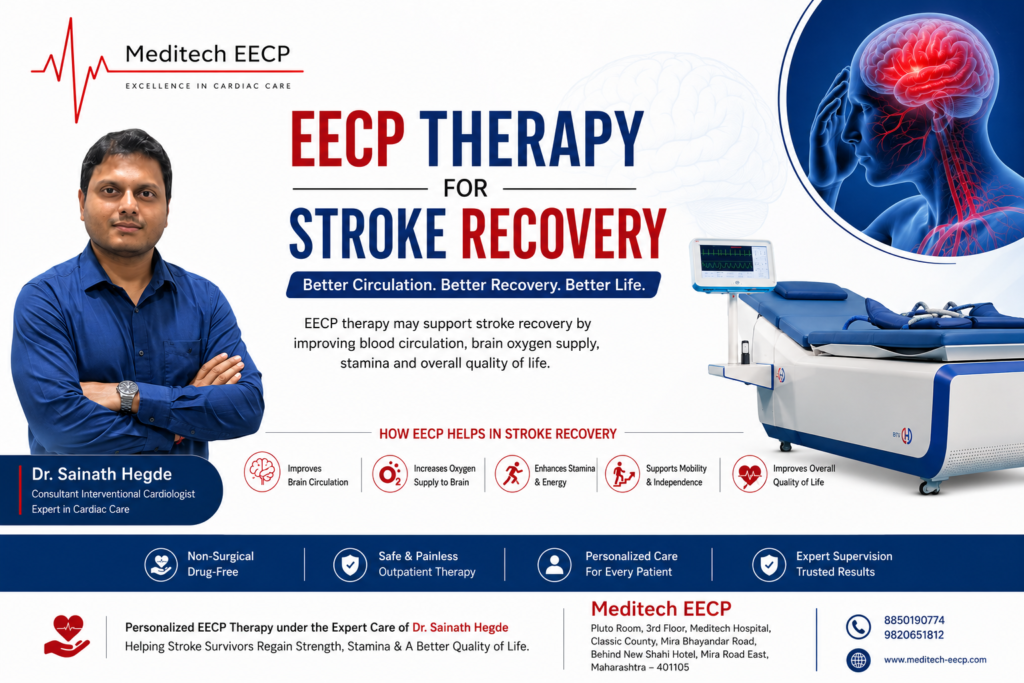
Stroke recovery is often a long and challenging journey for patients and their families. Many stroke survivors continue to experience weakness, fatigue, reduced mobility, poor stamina, and difficulty performing daily activities even after initial treatment and rehabilitation.
As awareness about non-invasive therapies grows, many patients are now asking whether Enhanced External Counterpulsation (EECP) Therapy can play a supportive role in stroke recovery.
While EECP is primarily used for heart disease and circulation-related conditions, growing interest exists around its potential benefits in improving blood circulation, oxygen delivery, and overall vascular health — factors that may support recovery in selected stroke patients under proper medical supervision.
Understanding Stroke and Recovery
A stroke occurs when blood supply to part of the brain becomes interrupted or reduced, depriving brain tissue of oxygen and nutrients.
Common types include:
1. Ischemic Stroke
Caused by blockage in blood vessels supplying the brain.
2. Hemorrhagic Stroke
Caused by bleeding inside the brain.
Stroke survivors may experience:
- Weakness or paralysis
- Difficulty walking
- Speech problems
- Memory and concentration issues
- Reduced stamina
- Fatigue
- Poor circulation
Recovery depends on:
- Severity of stroke
- Speed of treatment
- Rehabilitation
- Blood circulation
- Overall cardiovascular health
What is EECP Therapy?
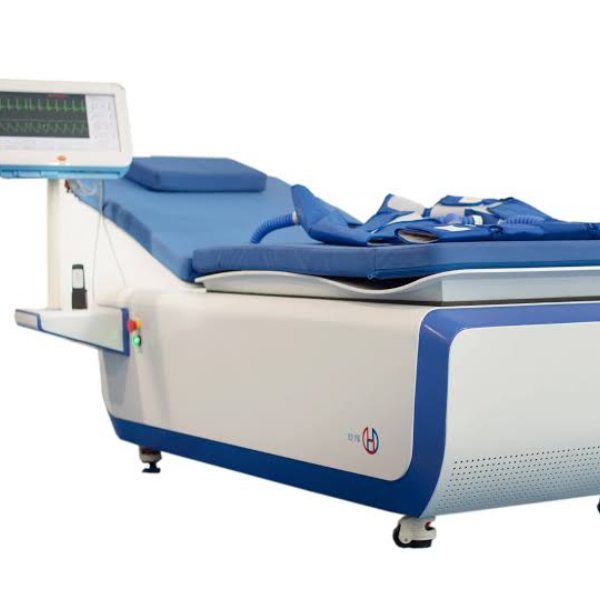
Enhanced External Counterpulsation (EECP) Therapy is a non-surgical, outpatient treatment designed to improve blood circulation naturally.
During the therapy:
- Inflatable cuffs are wrapped around the legs
- These cuffs inflate and deflate rhythmically with the heartbeat
- Blood flow toward the heart and other organs improves
- Circulation and oxygen delivery may increase over time
EECP is commonly used for:
- Coronary artery disease
- Heart blockage
- Chest pain (angina)
- Poor circulation
- Fatigue and reduced stamina
Researchers and clinicians have also explored whether improved circulation from EECP may support recovery in neurological conditions such as stroke.
How EECP May Help in Stroke Recovery
EECP is not considered a primary treatment for stroke. Emergency stroke management and neurological rehabilitation remain essential.
However, in selected stable patients, EECP may offer supportive benefits by improving circulation and vascular function.
1. Improved Blood Circulation
EECP enhances circulation throughout the body, potentially improving oxygen delivery to tissues and organs.
Better circulation may support:
- Brain oxygenation
- Tissue healing
- Physical endurance
2. Enhanced Oxygen Supply
The brain requires constant oxygen-rich blood flow for recovery and function.
By improving vascular circulation, EECP may help optimize oxygen delivery in selected patients.
3. Better Physical Stamina
Many stroke survivors experience chronic fatigue and weakness.
Patients undergoing EECP often report:
- Reduced fatigue
- Better walking tolerance
- Improved energy levels
- Increased physical activity capacity
4. Support for Cardiovascular Health
Stroke and heart disease are closely connected.
Many stroke patients also suffer from:
- High blood pressure
- Diabetes
- Coronary artery disease
- Poor vascular circulation
EECP may help improve overall cardiovascular function and circulation management.
5. Non-Surgical and Comfortable Therapy
Unlike invasive procedures, EECP:
- Does not involve surgery
- Requires no anesthesia
- Is generally performed on an outpatient basis
- Has minimal recovery time
This can be beneficial for elderly or high-risk patients who may not tolerate aggressive procedures well.
What Research Says About EECP and Stroke Recovery
Some studies have explored the role of EECP in improving cerebral blood flow and vascular function. Researchers continue to investigate its potential neurological benefits.
However, it is important to understand:
- EECP is not a cure for stroke
- Results vary from patient to patient
- More large-scale research is still needed
- EECP should only be considered after proper medical evaluation
Patients should always consult neurologists and cardiovascular specialists before beginning therapy.
Who May Be Considered for EECP After Stroke?
Selected patients may be evaluated for EECP if they:
- Have stable medical condition after stroke
- Experience poor circulation
- Have co-existing heart disease
- Experience fatigue and reduced stamina
- Are medically fit for therapy
Not every stroke patient is suitable for EECP. Individual evaluation is extremely important.
Who Should Avoid EECP?
EECP may not be suitable for patients with:
- Active bleeding disorders
- Severe uncontrolled hypertension
- Acute stroke phase
- Certain vascular conditions
- Severe heart rhythm abnormalities
Medical assessment is essential before starting therapy.
Why Choose Meditech EECP?
At Meditech EECP, patient care focuses on individualized treatment planning and continuous monitoring.
Under the supervision of Dr. Sainath Hegde, patients receive:
- Detailed medical assessment
- Personalized EECP protocols
- Monitoring during treatment
- Focus on circulation improvement
- Supportive non-surgical care
The goal is to help patients improve circulation, stamina, and quality of life safely and responsibly.
Frequently Asked Questions (FAQs)
Can EECP cure stroke?
No. EECP is not a cure for stroke and should not replace emergency stroke treatment or rehabilitation.
Can EECP improve brain circulation?
Some studies suggest EECP may help improve blood circulation and vascular function, which could support selected patients under medical supervision.
Is EECP safe after stroke?
In selected stable patients, EECP may be considered after thorough medical evaluation. It is not suitable during the acute phase of stroke.
How long does EECP therapy take?
A standard EECP program usually consists of around 35 sessions, with each session lasting approximately one hour.
Can elderly stroke patients undergo EECP?
Some elderly patients may be suitable candidates depending on their cardiovascular and neurological condition.
Does EECP help reduce fatigue after stroke?
Some patients report improved stamina and reduced fatigue after EECP due to better circulation and oxygen delivery.
Final Thoughts
Stroke recovery requires a multidisciplinary approach involving neurologists, rehabilitation specialists, cardiovascular care, physiotherapy, and lifestyle management.
While EECP is not a replacement for stroke treatment, it may provide supportive circulation-related benefits for selected stable patients under expert medical guidance.
At Meditech EECP, the focus remains on safe, evidence-based, patient-specific care designed to improve circulation, heart health, and overall quality of life.
Contact Meditech EECP
Address:
Pluto Room, 3rd Floor, Meditech Hospital, Classic County, Mira Bhayandar Road, Behind New Shahi Hotel, Mira Road East, Maharashtra – 401105
Contact: 8850190774