






Risks of Bypass Surgery: What Heart Patients and Families Should Know
Heart bypass surgery, also known as CABG (Coronary Artery Bypass Grafting), is one of the most commonly performed cardiac procedures for severe coronary artery disease. While bypass surgery can improve blood flow to the heart, many patients and families are increasingly concerned about the risks of bypass surgery, recovery time, and long-term impact of major heart surgery.
For elderly patients, diabetics, and individuals with multiple health conditions, understanding the risks of bypass surgery becomes extremely important before making treatment decisions .
What Is Bypass Surgery?
Bypass surgery is a major open-heart procedure performed to improve blood flow when coronary arteries become severely blocked. During the surgery, blood vessels from another part of the body are used to bypass blocked arteries and restore circulation to the heart muscle.
Although bypass surgery may be life-saving in certain situations, it is still a complex and invasive procedure that carries several risks, especially in high-risk cardiac patients. Patients who are exploring non-invasive treatment options often research alternatives to bypass surgery https://meditech-eecp.com/alternative-to-bypass-surgery-eecp-the-non-surgical-hope-for-heart-blockages/ before deciding on surgery.
Common Risks of Bypass Surgery
1. Risk of Infection
Since bypass surgery involves opening the chest, there is always a possibility of wound infection, especially in diabetic or elderly patients. Recovery may become prolonged if infections develop around the chest incision.
2. Stroke Risk
One of the serious complications associated with bypass surgery is stroke. Changes in blood flow and circulation during surgery may increase the risk in some patients, particularly older individuals with existing vascular disease.
3. Prolonged Recovery Time
Recovery after bypass surgery can take several weeks or even months. Many patients experience fatigue, weakness, breathing difficulty, and reduced physical activity during the healing process.
Patients concerned about long recovery periods often compare EECP vs bypass surgery to understand non-surgical treatment possibilities.
4. Complications in Elderly Patients
Advanced age increases surgical risk. Elderly cardiac patients may have reduced healing capacity, diabetes, kidney disease, lung problems, or low heart pumping function, which can complicate surgery and recovery.
Many families specifically search for heart blockage treatment without surgery for senior citizens and high-risk patients.
5. Bleeding and Blood Transfusion Requirements
Bypass surgery may involve significant blood loss during the procedure. Some patients require blood transfusions, which can increase recovery complexity and hospital stay.
6. Memory and Cognitive Changes
Some patients report temporary memory issues, difficulty concentrating, or mental confusion after bypass surgery. This is sometimes referred to as “post-operative cognitive dysfunction.”
7. Risk in Patients With Low Ejection Fraction (Low EF)
Patients with weak heart pumping function or severe heart failure may face higher surgical risks. In such situations, cardiologists may carefully evaluate whether invasive surgery is the best option.
Is Bypass Surgery Always Necessary?
Not every blockage automatically requires bypass surgery. Treatment recommendations depend on:
- Number of blocked arteries
- Severity of symptoms
- Heart pumping function
- Age and overall health
- Previous angioplasty or stent history
- Diabetes and kidney function
Some patients with stable symptoms may be evaluated for lifestyle changes, medication management, or non-invasive therapies before considering major surgery.
Non-Surgical Treatment Options for Heart Blockage
Many patients today are actively searching for alternatives that may help improve blood circulation without invasive surgery https://meditech-eecp.com/non-surgical-treatment-for-heart-blockage/
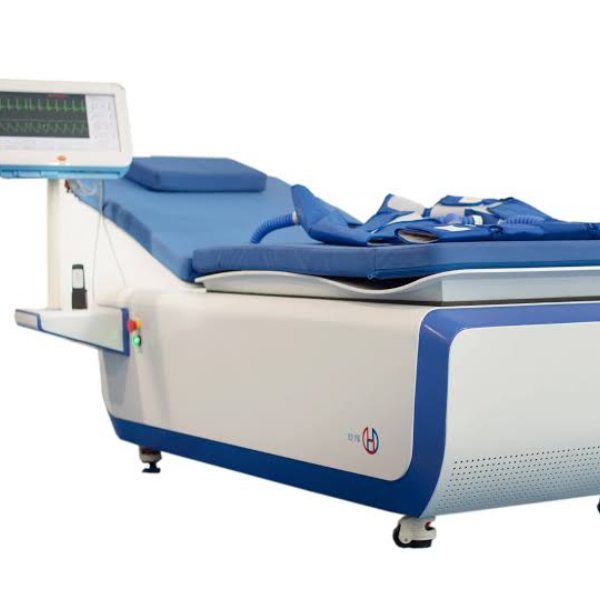
One such non-invasive approach is EECP treatment in Mumbai, which is designed to support natural collateral blood vessel development and improve circulation to the heart muscle under cardiologist supervision.
EECP therapy is often explored by:
- Elderly patients
- High-risk surgical candidates
- Patients with chronic angina
- Individuals seeking non-surgical heart treatment
- Patients looking for supportive therapy after angioplasty or bypass surgery
When Should You Discuss Alternatives?
Patients should speak with their cardiologist if they:
- Are worried about surgery risks
- Have multiple medical conditions
- Have low EF or weak heart pumping
- Want to understand all available treatment options
- Are seeking non-surgical supportive therapies
Understanding all available options helps families make more informed cardiac treatment decisions.
Conclusion
Bypass surgery can be an important treatment for severe coronary artery disease, but it is also a major procedure with significant risks and recovery considerations. Elderly patients and high-risk individuals should carefully discuss their condition, treatment goals, and possible alternatives with an experienced cardiologist.
As awareness grows around non-invasive cardiac care, more patients are researching alternative treatment approaches that may support heart health and quality of life without major surgery.
If you are looking to understand non-surgical approaches for heart blockage, learn more about our Alternative to Bypass Surgery treatment approach at Meditech EECP Mumbai. https://meditech-eecp.com/best-eecp-centre-in-mira-road/
FAQs
Is bypass surgery risky for elderly patients?
Elderly patients may have higher surgical risks due to age-related health conditions such as diabetes, kidney disease, weak heart pumping, or lung problems.
Can heart blockage be treated without surgery?
Treatment depends on the severity of disease. Some patients may be evaluated for medication management, lifestyle modification, or non-invasive supportive therapies.
What is the recovery time after bypass surgery?
Recovery varies from patient to patient but may take several weeks to months depending on overall health and complications.
What is EECP treatment?
EECP (Enhanced External Counter Pulsation) is a non-invasive therapy designed to support blood circulation and improve symptom management in selected cardiac patients under medical supervision.
Is EECP an alternative to bypass surgery?
EECP may be considered as a supportive non-surgical option for selected patients depending on their cardiac condition and cardiologist evaluation.