






Why Young People Get Heart Attack While Working Out? 7 Heart Tests Every Adult Should Consider
Over the last few years, reports of seemingly healthy young adults suffering heart attacks during gym workouts, running events, and sports activities have become increasingly common. This has raised an important question: Why young people get heart attack while working out?
The truth is that exercise itself is usually not the cause. In many cases, physical activity simply exposes an underlying heart condition that had gone undetected for years. If you are experiencing chest discomfort, breathlessness during exercise, unusual fatigue, palpitations, or have a family history of heart disease, understanding your heart health before pushing your body to its limits can be lifesaving.
Why Do Heart Attacks Happen During Exercise?
When you exercise, your heart works harder to pump blood and oxygen throughout your body. If there is already significant blockage in the coronary arteries or an underlying heart condition, increased demand can trigger symptoms or, in severe cases, a heart attack.
Common reasons include:
- Undiagnosed coronary artery disease
- Silent heart blockages
- High blood pressure
- Diabetes
- Genetic heart disorders
- Enlarged heart muscle (cardiomyopathy)
- Heart rhythm abnormalities
- Smoking and tobacco use
- High cholesterol levels
Many young adults believe heart disease only affects the elderly. Unfortunately, lifestyle changes, stress, poor diet, smoking, obesity, and diabetes have caused heart disease to appear at much younger ages.
Warning Signs You Should Never Ignore.
Before a major cardiac event, the body often gives warning signs. https://meditech-eecp.com/symptoms-of-heart-disease-warning-signs/
Chest Pain or Pressure
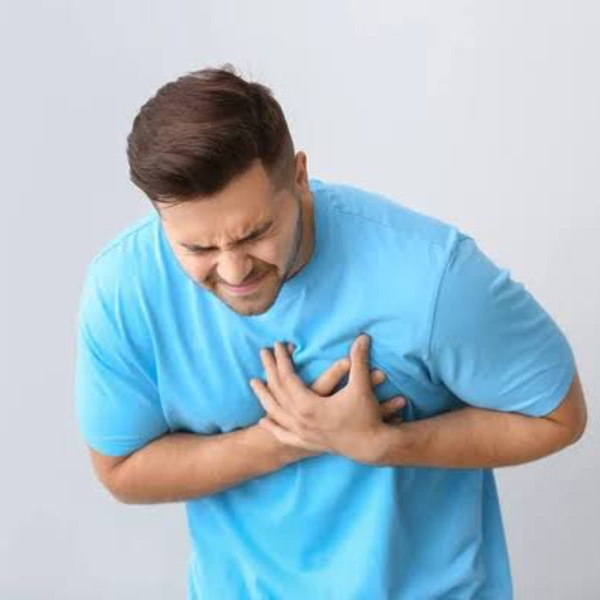
A feeling of heaviness, squeezing, burning, or discomfort during exercise can indicate reduced blood flow to the heart.
Shortness of Breath
Getting unusually breathless while climbing stairs or working out may indicate reduced heart function. https://meditech-eecp.com/heart-pumping-20-25-can-ejection-fraction-improve/
Palpitations
A racing heartbeat, skipped beats, or dizziness during exercise should always be evaluated.
Excessive Fatigue
Feeling unusually exhausted despite moderate activity may signal an underlying cardiovascular problem
Family History
If a parent or sibling developed heart disease before age 55, your risk may be significantly higher.
Can Someone Have Severe Blockages Without Symptoms?
Yes.
Many patients discover 70%, 80%, or even 90% blockages only after undergoing testing. https://meditech-eecp.com/what-percentage-of-heart-blockage-requires-surgery/
Some people experience:
- Mild chest heaviness
- Reduced exercise tolerance
- Breathlessness
- Fatigue
Others experience no symptoms at all.
7 Heart Tests Every Adult Should Consider
1. ECG (Electrocardiogram)
An ECG records the electrical activity of the heart.
It can identify:
- Previous silent heart attacks
- Rhythm abnormalities
- Conduction problems
This is often the first screening test recommended by a cardiologist.
2. Echocardiography (2D Echo)
A 2D Echo uses ultrasound to evaluate:
- Heart pumping function (ejection fraction)
- Valve problems
- Structural abnormalities
This test is especially useful for individuals with breathlessness or fatigue.
3. Treadmill Stress Test (TMT)
This test evaluates how your heart performs during exercise.
It helps identify:
- Exercise-induced chest pain
- Reduced blood flow to the heart
- Hidden coronary artery disease
Particularly useful for people who experience symptoms during workouts.
4. CT Coronary Calcium Score
This scan detects calcium deposits within coronary arteries. It can reveal early heart disease before symptoms appear. Many cardiologists recommend it for individuals with multiple risk factors.
5. CT Coronary Angiography
This advanced scan visualizes coronary arteries and can detect:
- Mild blockages
- Moderate blockages
- Severe blockages
It provides a detailed picture without an invasive procedure.
6. Lipid Profile
High cholesterol remains one of the biggest contributors to heart disease.
A complete lipid profile measures:
- LDL cholesterol
- HDL cholesterol
- Triglycerides
- Total cholesterol
Even fit-looking individuals can have dangerous cholesterol levels.
7. HbA1c and Blood Sugar Testing
Diabetes significantly increases the risk of heart disease. Many young adults are diagnosed with diabetes only after a cardiac event. Regular screening helps identify risk early.
8. Apolipoprotein B (ApoB)
Many cardiologists now consider ApoB a more accurate risk marker than LDL cholesterol alone.
ApoB measures the number of potentially harmful cholesterol particles capable of entering artery walls and causing blockages.
Why It Matters
A person can have “normal” LDL cholesterol but still have elevated ApoB and a higher risk of heart attack.
9. Lipoprotein(a) – Lp(a)
LP(a) is a genetically inherited cholesterol particle strongly associated with:
- Premature heart attacks
- Early coronary artery disease
- Stroke
- Aortic valve disease
Important Fact
A person may be fit, exercise regularly, and still have a very high Lp(a) level.
Most experts recommend testing Lp(a) at least once in a lifetime.
10. High-Sensitivity C-Reactive Protein (HS-CRP)
HS-CRP measures inflammation within the body.
Chronic inflammation contributes to plaque instability and increases the risk of heart attacks.
Risk Categories
- Less than 1 mg/L → Low Risk
- 1–3 mg/L → Moderate Risk
- Above 3 mg/L → Higher Risk
What If Tests Show Significant Heart Blockages?
Treatment depends on:
- Severity of blockage
- Symptoms
- Number of arteries involved
- Heart pumping function
- Overall health
Options may include:
- Medications
- Lifestyle modification
- Angioplasty
- Bypass surgery
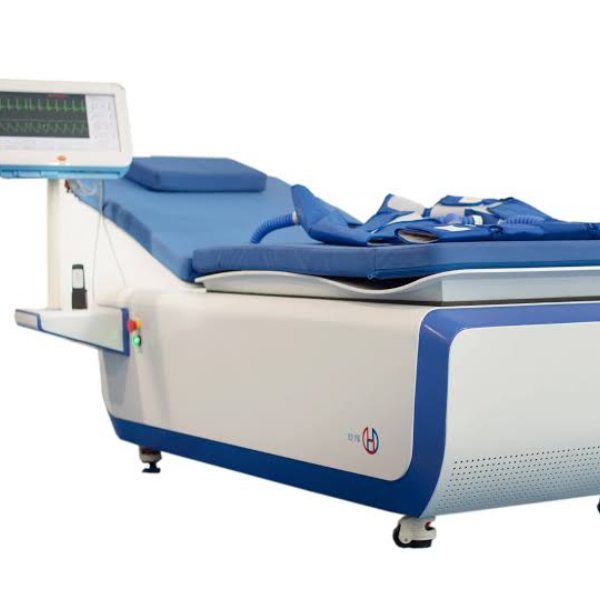
- Enhanced External Counter-pulsation (EECP)
Not every patient with coronary artery disease requires surgery.
For selected patients with chronic stable angina, diffuse disease, recurrent symptoms, or those unsuitable for surgery, non-invasive treatment options may also be considered. https://meditech-eecp.com/non-surgical-treatment-for-heart-blockage/
Can EECP Help Patients with Heart Disease?
EECP (Enhanced External Counterpulsation) is a non-invasive treatment that improves blood circulation to the heart muscle.
It is commonly considered for patients who:
- Continue to experience angina
- Have diffuse coronary artery disease
- Are not suitable candidates for surgery
- Have persistent symptoms despite medications
The treatment aims to improve blood flow through the development of collateral circulation around blocked arteries.
Final Thoughts
A heart attack during exercise is often not caused by exercise itself. More commonly, it is the result of an undiagnosed heart condition that becomes apparent when the heart is placed under stress.
If you experience chest pain, breathlessness, unusual fatigue, dizziness, or have significant risk factors, early evaluation can be lifesaving.
Simple tests such as an ECG, Echo, TMT, cholesterol profile, and coronary imaging can help identify problems before they become emergencies.
The goal is not to avoid exercise—but to ensure your heart is healthy enough to benefit from it safely.
Frequently Asked Questions (FAQ)
1. Why are young people getting heart attacks while working out?
Heart attacks in young adults are becoming more common due to factors such as undiagnosed heart disease, high cholesterol, smoking, diabetes, obesity, stress, steroid use, energy drinks, poor sleep, and family history of heart disease. Intense exercise can sometimes trigger an event in someone who already has an underlying cardiac condition.
2. Can a healthy-looking person have a heart attack in the gym?
Yes. Many people who suffer a heart attack appear fit and healthy. Underlying coronary artery disease, genetic cholesterol disorders, heart muscle diseases, or rhythm abnormalities may remain undetected until symptoms develop.
3. What are the warning signs before a heart attack?
Common warning signs include:
- Chest pain or pressure
- Shortness of breath
- Unusual fatigue
- Dizziness or fainting
- Palpitations
- Pain in the arm, jaw, neck, or back
- Excessive sweating
These symptoms should never be ignored, especially during exercise.
4. Which blood tests can help identify heart disease risk?
Important blood tests include:
- Lipid Profile
- Apolipoprotein B (ApoB)
- Lipoprotein(a) [Lp(a)]
- High-Sensitivity C-Reactive Protein (hs-CRP)
- HbA1c
- Fasting Blood Sugar
- Kidney Function Tests
These tests help identify hidden cardiovascular risk factors.
5. What heart tests should every adult consider?
Depending on age and risk factors, your doctor may recommend:
- ECG
- Echocardiography (2D Echo)
- Treadmill Stress Test (TMT)
- CT Coronary Calcium Score
- CT Coronary Angiography
- Blood Pressure Monitoring
- Comprehensive Blood Tests
6. At what age should heart screening begin?
Individuals with risk factors such as diabetes, hypertension, smoking, obesity, or family history of heart disease should consider a cardiac health assessment from their 30s onward. Others may begin routine screening around age 40.
7. Does family history increase heart attack risk?
Yes. If a parent or sibling developed heart disease at a young age, your risk is significantly higher. Early screening becomes even more important in such cases.
8. Can heart blockages develop without symptoms?
Absolutely. Many people have significant heart blockages without experiencing chest pain. Sometimes the first symptom may be a heart attack. Preventive screening can help detect disease earlier.
9. Can heart disease be treated without surgery?
Treatment depends on the severity of disease, symptoms, and heart function. Lifestyle modification, medications, cardiac rehabilitation, and therapies such as EECP may be considered in selected patients. Decisions regarding angioplasty or bypass surgery should always be made after evaluation by a cardiologist.
10. What should I do if I experience chest pain during exercise?
Stop exercising immediately and seek medical attention. Persistent chest pain, breathlessness, dizziness, or fainting during physical activity should never be ignored and requires urgent cardiac evaluation.
11. Are steroids and pre-workout supplements linked to heart problems?
Some anabolic steroids, stimulant-based pre-workouts, and excessive energy drink consumption have been associated with elevated blood pressure, abnormal heart rhythms, and increased cardiovascular risk, particularly in susceptible individuals.
12. How often should I get my heart checked?
For individuals with risk factors, an annual cardiac evaluation is reasonable. Those with existing heart disease should follow their cardiologist’s recommendations regarding follow-up testing and monitoring.