





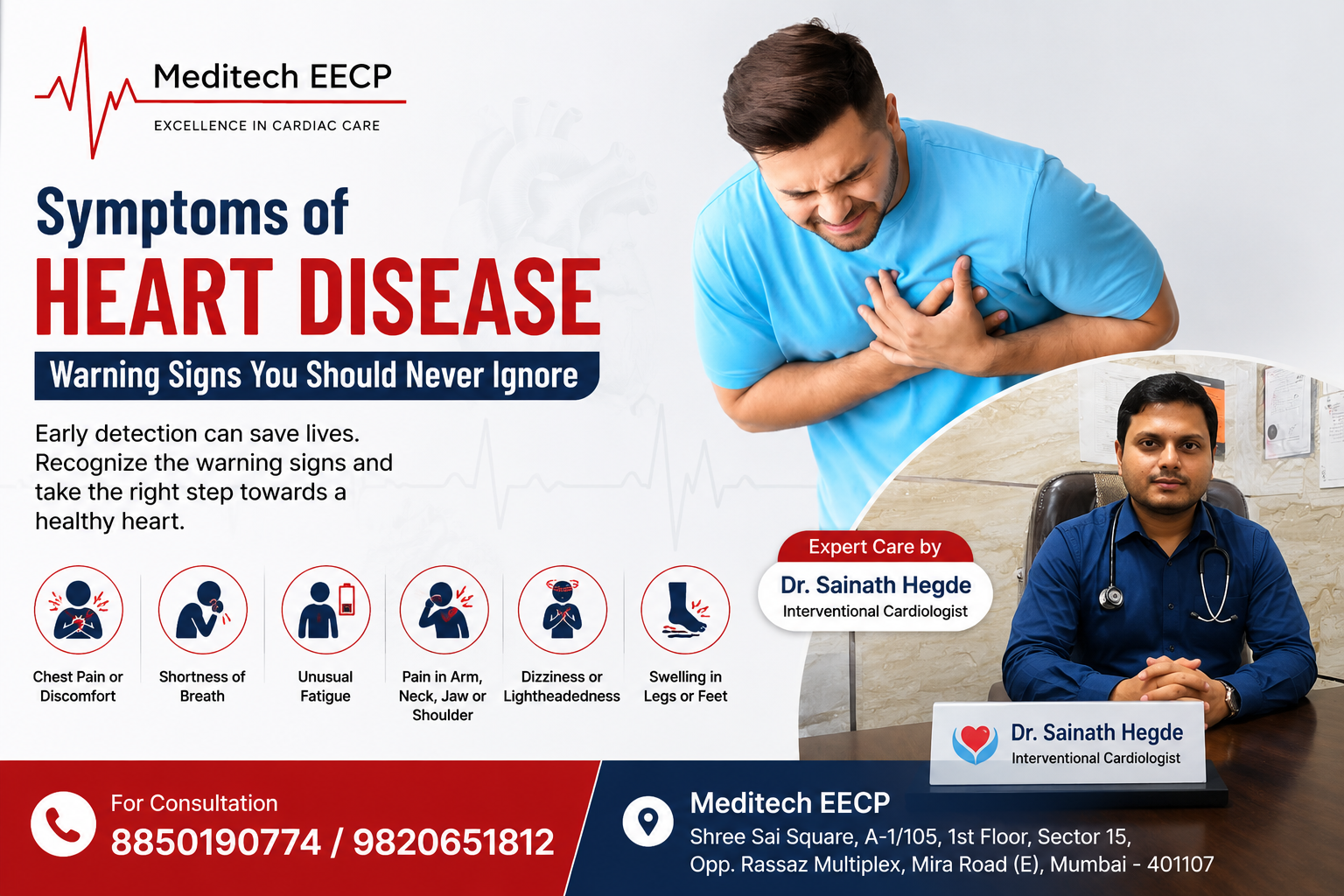
What Are the Symptoms of Heart Disease? Warning Signs You Should Never Ignore
Recognizing the symptoms of heart disease early can be life-saving. Many people assume heart disease only affects the elderly, but in reality, an increasing number of individuals in their 30s and 40s are being diagnosed with coronary artery disease, heart blockages, and heart attacks.
The challenge is that heart disease often develops silently. Some people experience warning signs for months before seeking medical attention, while others may ignore symptoms assuming they are due to stress, acidity, or fatigue.
If you are experiencing chest discomfort, breathlessness, unexplained fatigue, or have a family history of heart disease, it is important to understand the symptoms and know when to seek medical evaluation.
What Is Heart Disease?
Heart disease refers to a group of conditions affecting the heart and blood vessels. One of the most common forms is Coronary Artery Disease (CAD), where the arteries supplying blood to the heart become narrowed due to plaque buildup.
As blockages increase, blood flow to the heart muscle decreases, leading to symptoms such as chest pain, shortness of breath, and in severe cases, heart attacks.
Common Symptoms of Heart Disease
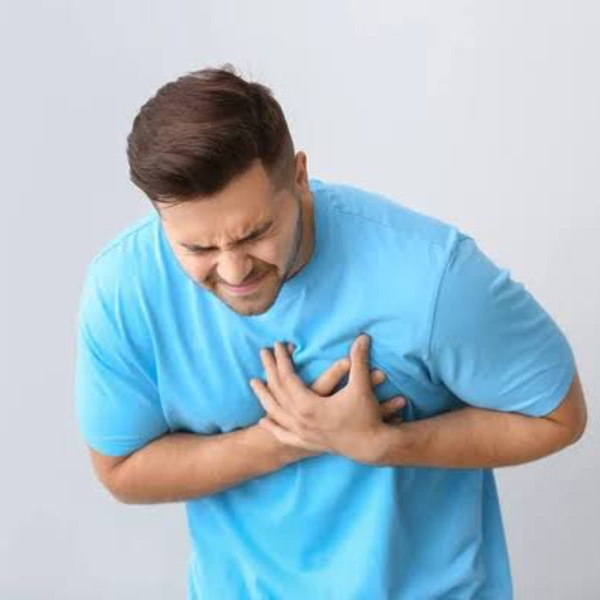
Chest Pain or Chest Discomfort
Chest pain is one of the most recognized symptoms of heart disease. Patients often search for non invasive options for symptoms https://meditech-eecp.com/non-surgical-treatment-for-heart-blockage/
Patients may describe it as:
- Pressure in the chest
- Tightness
- Burning sensation
- Heaviness
- Squeezing discomfort
The pain may occur:
- While walking
- Climbing stairs
- During emotional stress
- After physical exertion
Shortness of Breath
Breathlessness during routine activities may indicate reduced blood flow to the heart or weakened heart pumping function. People oftern search for non surgical alternative to improve weak heart functioning https://meditech-eecp.com/heart-pumping-20-25-can-ejection-fraction-improve/
Patients often notice:
- Difficulty climbing stairs
- Breathlessness while walking
- Reduced exercise tolerance
- Fatigue after minimal exertion
This symptom should never be ignored, especially if it is worsening.
Unusual Fatigue
Many patients report:
- Feeling exhausted without reason
- Reduced stamina
- Lack of energy throughout the day
Persistent fatigue may sometimes be an early warning sign of heart disease.
Pain in the Jaw, Neck, Shoulder, or Arm
Heart-related pain does not always remain confined to the chest.
It may spread to:
- Left arm
- Right arm
- Neck
- Jaw
- Upper back
This is particularly common during angina and heart attacks.
Dizziness or Lightheadedness
Reduced blood flow can sometimes cause:
- Dizziness
- Near-fainting episodes
- Weakness
- Sudden sweating
Medical evaluation is recommended if these symptoms occur repeatedly.
Swelling in Legs or Feet
Swelling may indicate that the heart is not pumping efficiently.
Patients may notice:
- Ankle swelling
- Foot swelling
- Weight gain due to fluid retention
This can be seen in patients with heart failure https://meditech-eecp.com/eecp-therapy-for-heart-failure-mumbai-mira-road/
What Should Patients Do If They Have Symptoms?
If you experience:
- Chest pain
- Breathlessness
- Unexplained fatigue
- Palpitations
- Dizziness
Do not self-diagnose.
Schedule an evaluation with a qualified cardiologist.
Early diagnosis can help prevent serious complications.
Tests Commonly Used to Diagnose Heart Disease
ECG (Electrocardiogram)
An ECG records the electrical activity of the heart and can detect abnormalities.
2D Echo
An echocardiogram evaluates:
- Heart pumping function (ejection fraction)
- Heart valves
- Structural abnormalities
TMT (Stress Test)
A Treadmill Test helps identify symptoms and ECG changes that occur during exercise.
CT Coronary Angiography
This imaging test can detect coronary artery blockages non-invasively.
Coronary Angiography
Considered the gold standard for evaluating coronary artery disease.
It helps determine:
- Location of blockages
- Severity of disease
- Treatment options
When Should You Seek Emergency Medical Attention?
Seek immediate medical care if you experience
- Severe chest pain
- Chest pain lasting more than a few minutes
- Shortness of breath at rest
- Sudden sweating
- Fainting
These symptoms may indicate a heart attack and require urgent treatment
Can Heart Disease Be Treated Without Surgery?
Not every patient with heart disease requires bypass surgery or angioplasty.
Treatment depends on:
- Severity of symptoms https://meditech-eecp.com/what-percentage-of-heart-blockage-requires-surgery/
- Location of blockages
- Heart pumping function https://meditech-eecp.com/natural-bypass-therapy-eecp-treatment-benefits/
- Overall clinical condition
Options may include:
- Medications
- Lifestyle modifications
- Risk factor management
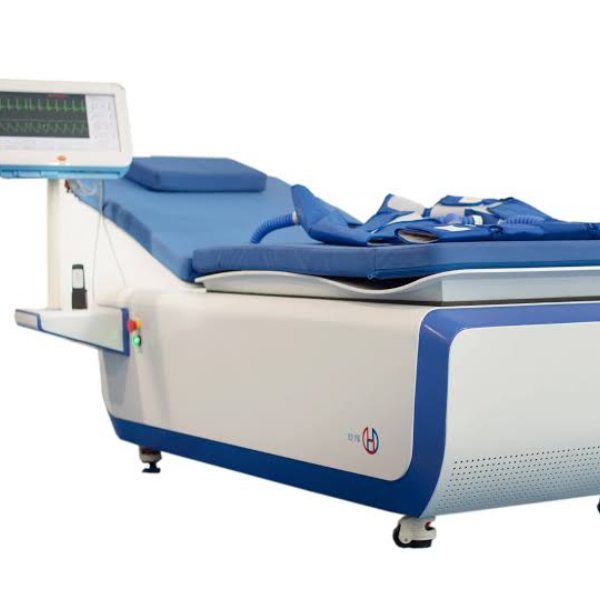
- EECP Therapy in selected patients
For patients with chronic angina, diffuse coronary artery disease, or those seeking additional non-surgical options https://meditech-eecp.com/alternative-to-bypass-surgery-eecp-the-non-surgical-hope-for-heart-blockages/, EECP therapy may be considered after cardiology evaluation. For best eecp specialist cardiologist kindly read the following article https://meditech-eecp.com/best-eecp-specialist-cardiologist-in-mira-road-bhayandar-what-patients-should-know-before-choosing/
Conclusion
The symptoms of heart disease should never be ignored, regardless of age. While chest pain remains one of the most common warning signs, symptoms such as breathlessness, fatigue, dizziness, and swelling can also indicate underlying heart problems.
If you are around 40 years of age and have risk factors such as diabetes, smoking, high cholesterol, or a family history of heart disease, early cardiac evaluation is strongly recommended.
Timely diagnosis, appropriate testing, and expert guidance from a cardiologist can help identify heart disease early and determine the most suitable treatment approach.