






10 Lifestyle Tips Every Heart Patient Should Follow for a Healthier Life.
Heart disease is not the end of an active life—it is the beginning of making better choices. Whether you’ve experienced a heart attack, undergone angioplasty or bypass surgery, or have been diagnosed with coronary artery disease, your daily lifestyle plays a significant role in your recovery and long-term heart health.
While medications and medical treatments are important, research consistently shows that healthy lifestyle habits can reduce the risk of future cardiac events, improve quality of life, and even slow the progression of heart disease.
Here are 10 essential lifestyle tips every heart patient should follow.
1.Eat a Heart-Healthy Diet
Your heart depends on the food you eat. A balanced diet can help lower cholesterol, control blood pressure, reduce inflammation, and maintain a healthy weight. Remember: Food is medicine when chosen wisely.
Include:
- Fresh fruits and vegetables
- Whole grains like oats, brown rice, and millet
- Lean proteins such as fish, skinless chicken, lentils, and beans
- Healthy fats from nuts, seeds, and olive oiL
Limit:
- Fried foods
- Bakery products
- Processed snacks
- Sugary drinks
- Excess salt
- Red meat
2.Stay Physically Active
Exercise strengthens the heart muscle, improves blood circulation, lowers blood pressure, and boosts energy levels.
Most heart patients should aim for:
- 30–45 minutes of moderate walking
- At least 5 days per week
- Cycling
- Swimming
- Yoga
- Light strength training (only after medical clearance)
Always consult your cardiologist before starting a new exercise program
3. Maintain a Healthy Weight
Being overweight forces your heart to work harder.Focus on sustainable lifestyle changes instead of crash diets.
Losing even 5–10% of your body weight can significantly improve.
- Blood pressure
- Blood sugar
- Cholesterol levels
- Overall heart function
4. Quit Smoking Completely
Smoking damages blood vessels, reduces oxygen supply, increases blood pressure, and dramatically raises the risk of heart attack and stroke.
The benefits begin almost immediately after quitting:
- Heart rate improves within hours
- Circulation improves within weeks
- Risk of future heart disease continues to decline every year
5. Control Blood Pressure
High blood pressure is often called the “silent killer.” Regularly monitor your blood pressure and aim for the target recommended by your doctor. Never stop blood pressure medications without consulting your physician.
You can help control it by:
- Reducing salt intake
- Exercising regularly
- Managing stress
- Taking medications consistently
- Maintaining a healthy weight
6.Keep Diabetes Under Control
Diabetes significantly accelerates damage to blood vessels. Good diabetes control greatly reduces the risk of future heart complications. Maintain:
- Healthy blood sugar levels
- HbA1c within your doctor’s recommended target
- Regular monitoring
- Balanced meals
- Daily physical activity
7. Manage Stress Effectively
Chronic stress can increase blood pressure, trigger unhealthy eating habits, disturb sleep, and affect heart health. A calm mind supports a healthier heart.
Healthy stress-management techniques include:
- Deep breathing exercises
- Meditation
- Yoga
- Reading
- Spending time with family
- Prayer or mindfulness
- Listening to relaxing music
8. Sleep for 7–8 Hours Every Night
Poor sleep is linked to:
- High blood pressure
- Diabetes
- Obesity
- Heart disease
To improve sleep:
- Maintain a regular bedtime
- Avoid caffeine late in the evening
- Reduce screen time before bed
- Keep your bedroom cool and quiet
If you snore heavily or feel tired despite sleeping, speak to your doctor about possible sleep apnea.
9. Take Medications Exactly as Prescribed
Many heart patients stop medications once they start feeling better.
This can be dangerous.
Take your medicines exactly as prescribed, including:
- Blood thinners
- Cholesterol-lowering medications
- Blood pressure medications
- Diabetes medications
Never change the dosage or discontinue treatment without consulting your cardiologist.
10. Attend Regular Follow-Up Visits
Regular check-ups allow your doctor to:
- Monitor heart function
- Adjust medications
- Detect problems early
- Prevent complications
Routine follow-ups may include:
- ECG
- Echocardiography
- Blood investigations
- Blood pressure checks
- Cholesterol and diabetes monitoring
Early detection often prevents major cardiac events.
Bonus Health Tip: Consider Cardiac Rehabilitation or EECP Therapy
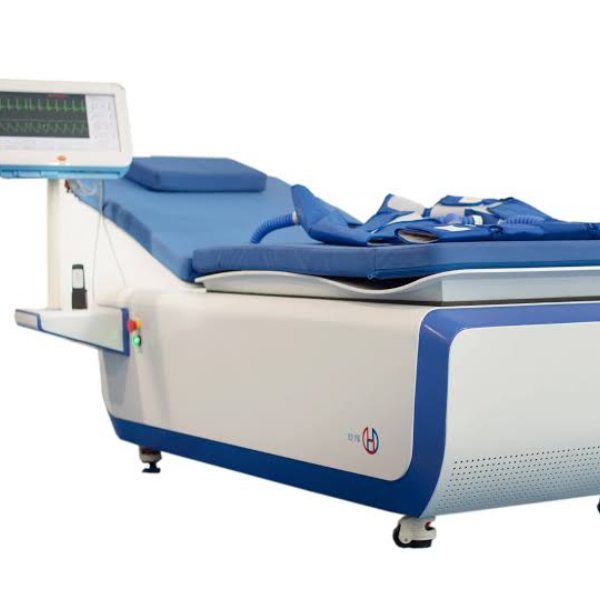
Patients who continue to experience chest pain, fatigue, or breathlessness despite medications may benefit from supervised cardiac rehabilitation or Enhanced External Counterpulsation (EECP), a non-invasive treatment that helps improve blood flow to the heart. https://meditech-eecp.com/best-eecp-centre-in-mira-road/
EECP may be recommended for selected patients with:
- Chronic stable angina
- Coronary artery disease
- Heart failure with reduced ejection fraction
- Persistent symptoms despite optimal medical therapy
Consult your cardiologist to determine whether it is appropriate for your condition.
Final Thoughts
Heart disease is not managed by medication alone. The small decisions you make every day—what you eat, how active you are, whether you smoke, how well you sleep, and how consistently you follow your treatment—can have a lasting impact on your heart health.
Start with one healthy habit today. Over time, these simple lifestyle changes can help you live longer, feel stronger, and reduce the risk of future heart problems.
Your heart works for you every second of every day. Give it the care it deserves.
Frequently Asked Questions (FAQs)
1. Can heart patients exercise every day?
Yes. Most heart patients can safely perform moderate-intensity exercise such as walking for 30–45 minutes on most days, provided they have their cardiologist’s approval.
2. Which foods should heart patients avoid?
Avoid fried foods, processed meats, sugary beverages, excess salt, trans fats, bakery products, and highly processed snacks.
3. Is stress really harmful to the heart?
Yes. Chronic stress can contribute to high blood pressure, unhealthy lifestyle habits, and increased risk of cardiovascular disease.
4. Can lifestyle changes reverse heart disease?
Lifestyle changes may slow disease progression, improve symptoms, and reduce future cardiovascular events. Some patients also experience improved heart function when lifestyle changes are combined with appropriate medical treatment.
5. What is the most important lifestyle change after a heart attack?
There isn’t a single most important change. A combination of quitting smoking, eating a healthy diet, staying active, controlling diabetes and blood pressure, taking medications regularly, and attending follow-up appointments provides the greatest benefit.