






EECP Therapy | Non Surgical Treatment for Blocked Arteries
Heart disease has become increasingly common in India, with many patients being advised angioplasty or bypass surgery for heart blockage. While these procedures are lifesaving in many situations, several patients today are searching for safer, non-surgical options that can improve heart health without major surgery.
One treatment that has gained attention worldwide is Enhanced External Counterpulsation (EECP) Therapy.
EECP therapy is designed to improve blood circulation naturally, helping patients manage symptoms like chest pain, breathlessness, fatigue, and reduced stamina without undergoing invasive procedures
What Is Heart Blockage and Why It Happens
Heart blockage happens when the blood vessels that supply the heart, called coronary arteries, become narrow or blocked. This usually develops over years, not overnight.
Common reasons behind blocked arteries
- Fatty cholesterol deposits building up inside arteries
- Smoking, diabetes, and high blood pressure
- Lack of physical activity
- Family history of heart disease
- Age-related wear and tear
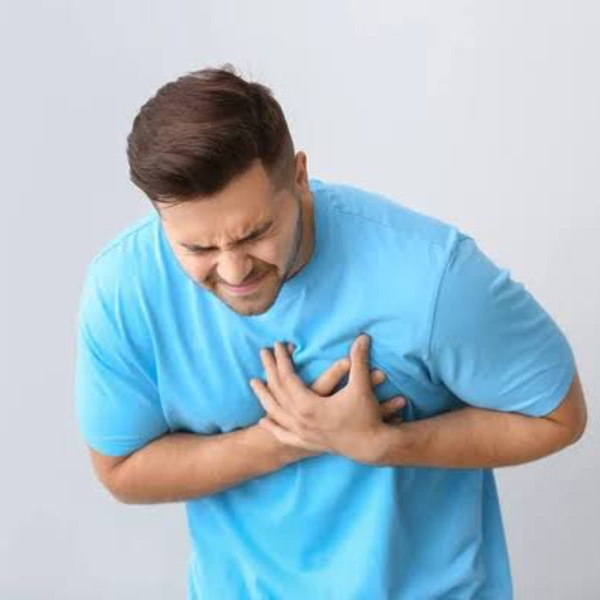
Symptoms people experience
- Chest pain or tightness while walking or climbing stairs
- Shortness of breath
- Fatigue during routine activities
- Discomfort in the jaw, back, or left arm
Ignoring these signs can lead to heart attacks or long-term heart damage. That’s why early heart blockage treatment matters, especially when non surgical options are available.
What is EECP Therapy for Heart Blockage?
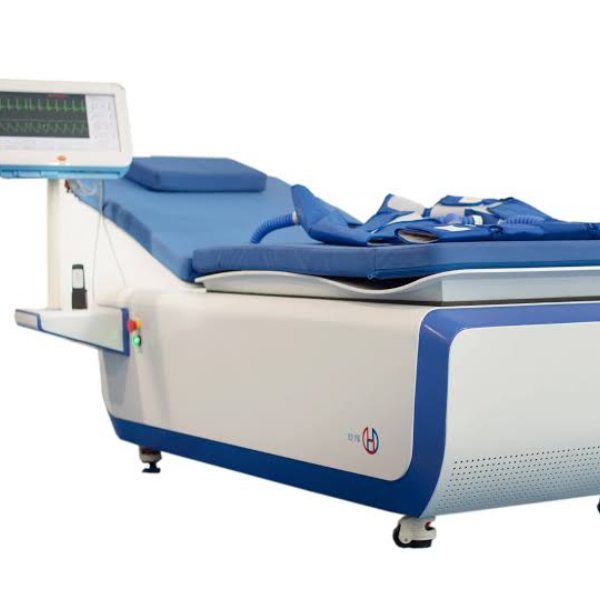
Enhanced External Counterpulsation (EECP) Therapy is a non-invasive outpatient treatment developed to improve blood flow to the heart.
During the therapy:
- Inflatable cuffs are wrapped around the legs
- These cuffs inflate and deflate in sync with the heartbeat
- Blood flow toward the heart increases naturally
- Over time, the body may develop collateral circulation (natural bypass blood vessels)
Unlike bypass surgery or angioplasty, EECP does not involve:
- Surgery
- Stents
- Cuts or stitches
- General anesthesia
- Long hospital stays
This is why EECP is often considered a non-surgical alternative for selected heart patients.
How EECP Therapy Works
EECP therapy works through a mechanical process that supports circulation during the heart’s relaxation phase.
Step-by-Step EECP Process
- The patient lies comfortably on a treatment bed
- Air cuffs are wrapped around calves, thighs, and hips
- The machine inflates cuffs sequentially with each heartbeat
- This pushes oxygen-rich blood back toward the heart
- Cuffs rapidly deflate before the next heartbeat, reducing strain on the heart
Over multiple sessions, circulation improves and the heart receives better oxygen supply.
Conditions Commonly Treated with EECP Therapy
EECP therapy may benefit patients dealing with:
- Coronary artery disease
- Heart blockage
- Chronic chest pain (angina)
- Breathlessness during walking
- Reduced heart pumping function
- Fatigue and poor stamina
- Post angioplasty symptoms
- Post bypass surgery symptoms
- Diabetes-related circulation issues
Many elderly and high-risk patients also consider EECP when surgery carries additional risk.
Benefits of EECP Therapy
1. Completely Non-Surgical
No cuts, stitches, or invasive procedures are involved.
2. Improves Blood Flow Naturally
EECP helps improve circulation and oxygen delivery to the heart muscle.
3. Reduces Chest Pain and Breathlessness
Many patients report improvement in angina symptoms and daily activity levels.
4. Improves Quality of Life
Patients often experience:
- Better stamina
- Improved walking capacity
- Reduced fatigue
- Better sleep quality
5. Minimal Recovery Time
Patients usually resume daily activities immediately after sessions.
6. Suitable for Selected Elderly and High-Risk Patients
EECP is often considered for patients who may not be ideal surgical candidates.
EECP Therapy vs Angioplasty vs Bypass Surgery
| Treatment | EECP Therapy | Angioplasty | Bypass Surgery |
|---|---|---|---|
| Procedure Type | Non-invasive | Minimally invasive | Major surgery |
| Hospital Stay | None | Usually 1–2 days | Several days |
| Recovery Time | Immediate | Weeks | Months |
| Anesthesia | Not required | Required | Required |
| Risk Level | Lower | Moderate | Higher |
| Suitable for High-Risk Elderly Patients | Often yes | Depends | Depends |
Frequently Asked Questions (FAQs)
Is EECP treatment permanent for heart blockage?
EECP improves circulation and symptoms, but lifestyle care remains important for long-term results.
How long does EECP treatment take?
Most patients complete therapy in six to seven weeks.
Is EECP painful?
No. Patients feel pressure, not pain.
Can EECP replace angioplasty?
In many stable cases, yes. Emergency cases may still need surgery.
Is EECP safe for senior citizens?
Yes. It is commonly used for older patients.
Can EECP be repeated?
Yes, if symptoms return after some time.
Final Thoughts
EECP therapy is helping many patients explore a safer, non-surgical approach toward managing heart disease and improving circulation. While it is not a replacement for emergency cardiac procedures, it can be a valuable option for selected patients seeking non-invasive heart care.
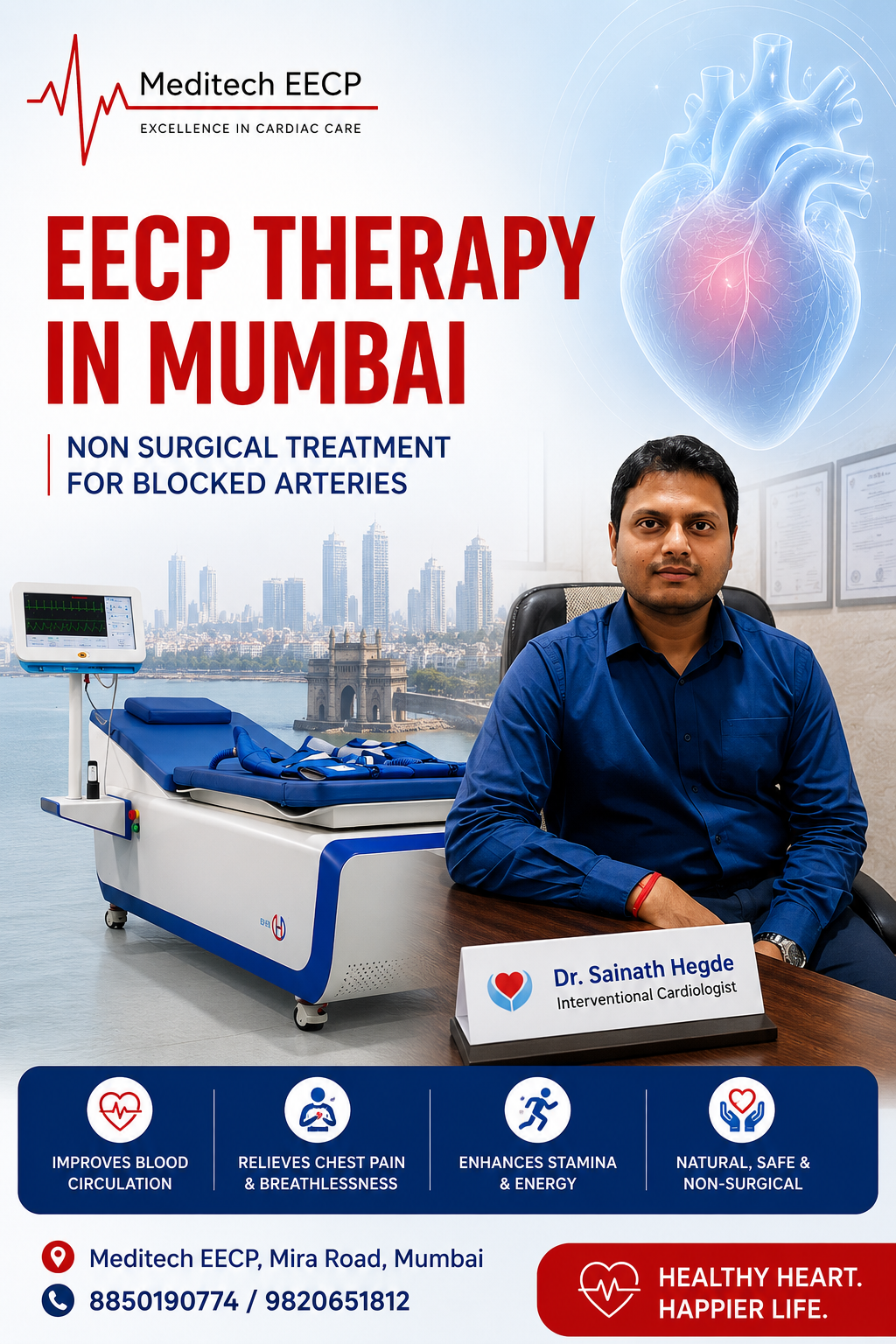
At Meditech EECP, patient-focused treatment combined with expert supervision by Dr. Sainath Hegde aims to provide personalized, evidence-based cardiac care for long-term heart health.
Contact Meditech EECP
Meditech EECP
Address:
Pluto Room, 3rd Floor, Meditech Hospital, Classic County, Mira Bhayandar Road, Behind New Shahi Hotel, Mira Road East, Maharashtra – 401105
Contact:
8850190774